

No products in the cart.


Ramadan Sweets: The Art of Oriental Flavors and Hospitality
February 19, 2026
Ramadan is more than a month of fasting—it is a time of family gatherings, generosity, and shared moments around the iftar table. At the heart of these traditions, Oriental sweets play a special role, symbolizing joy, hospitality, and cultural heritage.
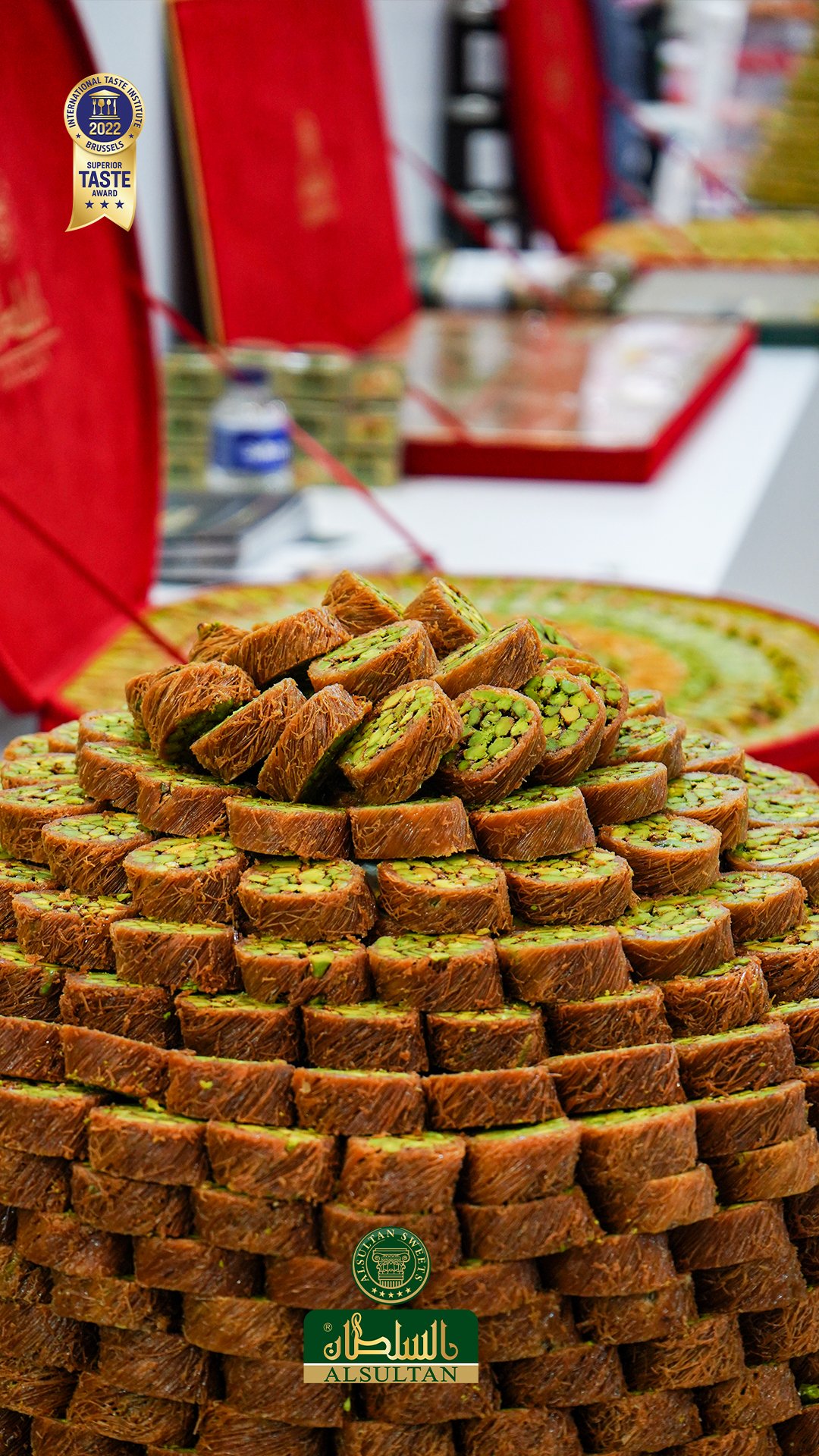
From baklava to kunafa and maamoul, Ramadan sweets combine rich flavors with centuries-old traditions. In this article, we explore the most popular Oriental sweets of Ramadan and key tips for preparing and presenting them professionally.
Why Are Oriental Sweets Essential During Ramadan?
Oriental sweets are traditionally served after iftar or during evening gatherings, bringing families and friends together and enhancing the festive atmosphere of the holy month.
Most Popular Oriental Sweets in Ramadan
- Baklava: Crispy layers of pastry filled with pistachios or walnuts and soaked in syrup.
- Kunafa: A Ramadan favorite, whether filled with cheese or cream.
- Maamoul: Traditional filled cookies made with dates, pistachios, or walnuts.
Tips for Perfect Ramadan Sweets
- Use high-quality ingredients such as fresh pistachios and traditional ghee.
- Control baking temperature and timing carefully.
- Add syrup at the right moment to maintain ideal texture.
- Focus on elegant presentation to elevate the overall experience.
Conclusion
Oriental sweets during Ramadan are more than desserts—they are an expression of tradition, generosity, and celebration. With the right ingredients, techniques, and presentation, you can create Alsultan sweets that enrich your Ramadan table and leave a lasting impression on your guests.
شارك على وسائل التواصل :
Share on facebook
Share on twitter
Share on linkedin